
- Member since2025
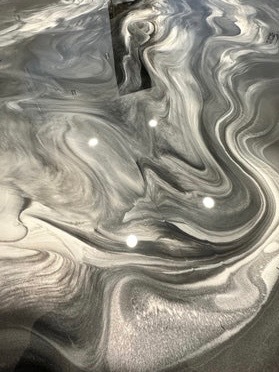
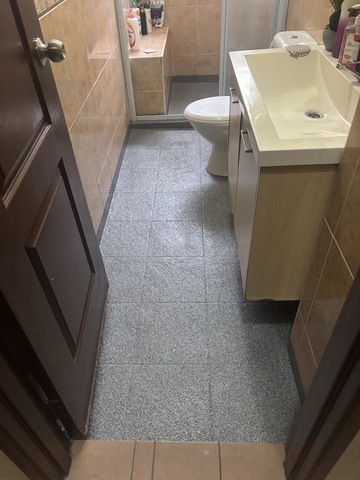
Epoxy waterproofing is a protective coating system made from a two-part mixture of epoxy resin and a hardener. When applied to a surface, it cures to form a strong, waterproof, and chemical-resistant barrier that protects toilet leaking , anti-slip tile floor and degradation.
Key Properties:
Waterproofing Ability: Creates a seamless, impermeable barrier that prevents water and moisture from seeping through.
Adhesion Strength: Bonds tightly to concrete, metal, and masonry surfaces.
Chemical Resistance: Withstands harsh chemicals, oils, solvents, and detergents.
Durability: Long-lasting protection, even under heavy traffic or harsh weather.
UV Resistance (with topcoat): Can be enhanced with UV-stable coatings for outdoor use.
Ease of Cleaning: Non-porous surface resists stains, mold, and mildew.
System Components:
Surface Preparation: Involves cleaning, repairing cracks, and ensuring a dry, dust-free surface.
Primer Coat: Applied to promote adhesion and seal porous surfaces.
Epoxy Base Coat: Forms the main waterproofing barrier.
Optional Reinforcement: Fiberglass mesh or fabric for added strength on joints or cracks.
Topcoat (if needed): UV-resistant polyurethane or polyaspartic topcoat for added durability in outdoor settings.
Applications:
Bathrooms & Wet Rooms: Protects walls and floors from moisture damage.
Basements & Foundations: Prevents groundwater seepage and dampness.
Terraces & Roof Decks: Shields against rainwater and weathering.
Swimming Pools,car park, & Water Tanks: Seals concrete to prevent leakage and withstand water pressure.
Industrial Floors: Waterproofs and protects against chemical spills and mechanical wear.
Benefits:
Seamless and joint-free finish
Resistant to blistering and peeling
Low maintenance
Enhances structural lifespan
 Facebook
 Whatsapp
 Twitter