


There is so much empty office space in KL that it would fill 10 Merdeka 118’s. One of the main reasons was the shift to hybrid work, with many preferring to work away from the city.
But at the same time, home buyers are attracted to units that are near transit, amenities and good food. Things that the city offers.
One radical way to solve both problems is to turn old offices in the city into residential units. This was the recent proposal from a local think tank, Research for Social Advancement (REFSA).
Such a move could solve several problems at once: prime location without prime-new-build prices, with residential units that have a distinctive loft-style interior. For many buyers, that balance is exactly the point of city-centre living. And a office-to-home conversion might make it more affordable to live in the city again.
As of March 2025, there were 23 abandoned commercial buildings in KL, including shophouses in Lorong Tiong Nam, buildings in Jinjang Utara, as well as the well-known Plaza Rakyat.
The drivers behind office-to-home conversions
Land in the city centre is expensive. Building new residential towers on prime plots is costly and slow. So, one alternative strategy is to convert old buildings into homes, known as adaptive reuse. This lets developers reuse existing structure and services, so projects get done much faster and hopefully at lower cost than a full new build.
In the REFSA report, it flagged rising office vacancy and the mismatch between central jobs and central homes, which is part of the reason conversions are on the table again.

Our rail network is an asset here. MRT, LRT, Monorail, KTM and RapidKL give many central areas strong connectivity, so adding homes near stations translates quickly into shorter commutes and less car use. In some historic precincts, as many as half of workers already use public transport, so putting homes in those same precincts can cut daily commute time dramatically.
The street-level culture matters as much as the numbers. Projects around Petaling Street, Warisan KL and other inner-city areas show how housing helps activate an area beyond tourism hours. When people live in these blocks, neighbourhood cafés, galleries and night markets gain everyday customers, and the city centre becomes somewhere you live, not only where you work or visit.
Is an ex-office home right for you?
There aren’t many case studies for such conversions in KL. So, we need to take examples from other cities to get an idea of what these homes might look like in terms of layout and interior feel.
Firstly, you might get a high ceiling. A typical high-rise residential unit might have a ceiling height of 9 feet (2.7m). But commercial units can often go as high as 12 to 15 ft (3.6 to 4.5m) before any ceiling build‑ups. The volume makes a small floor area feel generous; you can put a sleeping loft or mezzanine and still keep a living zone below.
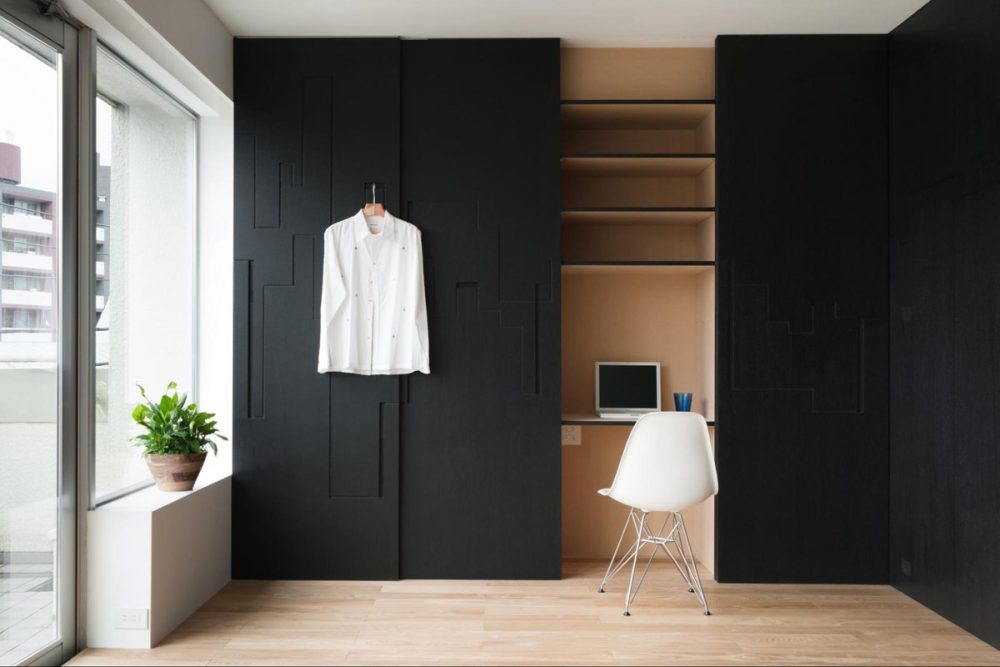
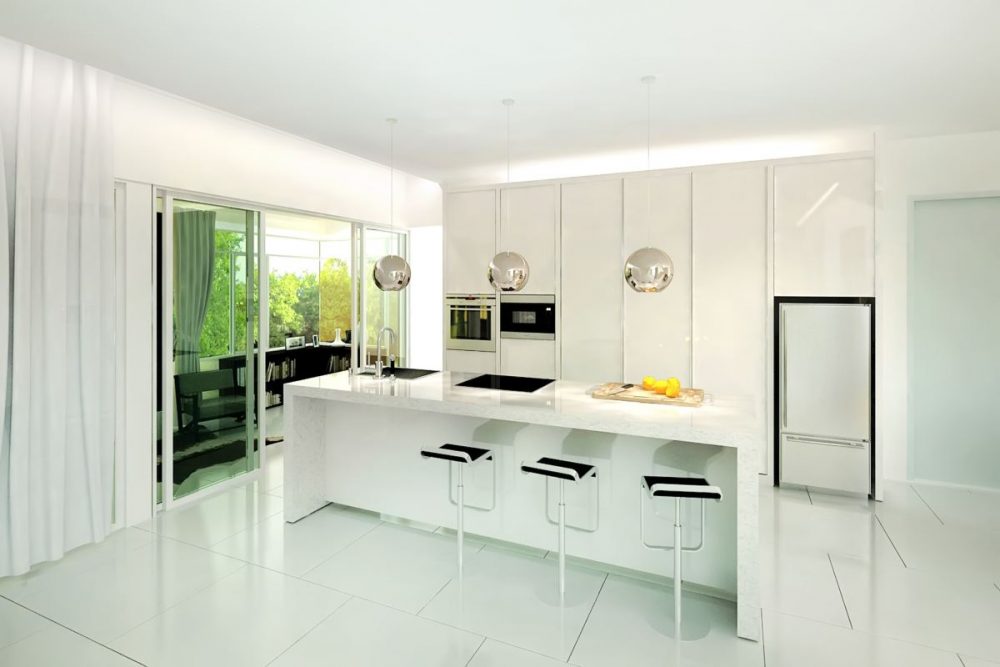
You will also get very open floor plans where you can play around with the layout to give it flexibility and character. However, there might be irregular placed columns, cores and odd angles. Perhaps these are ways to create cosy niches. Large windows also means great amounts of daylight and a strong connection to the street.
Depending on the commercial nature and age of the building, you might get an industrial or even heritage or Peranakan or colonial aesthetic. For example, exposed columns, concrete slabs, elaborate tiles, old staircases and metal railings. These are high‑value features to keep.


Connectivity and convenience
One of the clearest, measurable gains is time saved. Many conversions would sit near MRT, LRT, Monorail, KTM and RapidKL stops, so daily commutes, appointments and social plans become faster and more reliable.
Lower car reliance follows naturally. Fewer drives means savings on petrol, parking fees, insurance and maintenance, plus no long hunt for a parking space on busy nights. For many buyers these ongoing savings pay back quickly in lifestyle terms.
Walkability is another practical value: living near transit usually puts you within easy reach of jobs, hospitals, schools, parks and a huge range of F&B options. That proximity not only cuts travel time but also increases the day‑to‑day convenience you notice every week.
A smart developer would also package more perks that are hard to match in small suburban condos: for example co‑working spaces, larger gyms, communal lounges, studio rooms and even pet facilities. These shared amenities replace the need for outside memberships and give you usable services right downstairs.
What do you think? Would you stay in a converted office?